20ʹ hard top open top containers.
A 20-foot container with a removable steel roof, so the load goes in from above instead of through the doors. ISO 6346 type 22U6. This guide covers what it carries and when to pick one — the dimensions and weights are on the 20ʹ HT/OT type page.
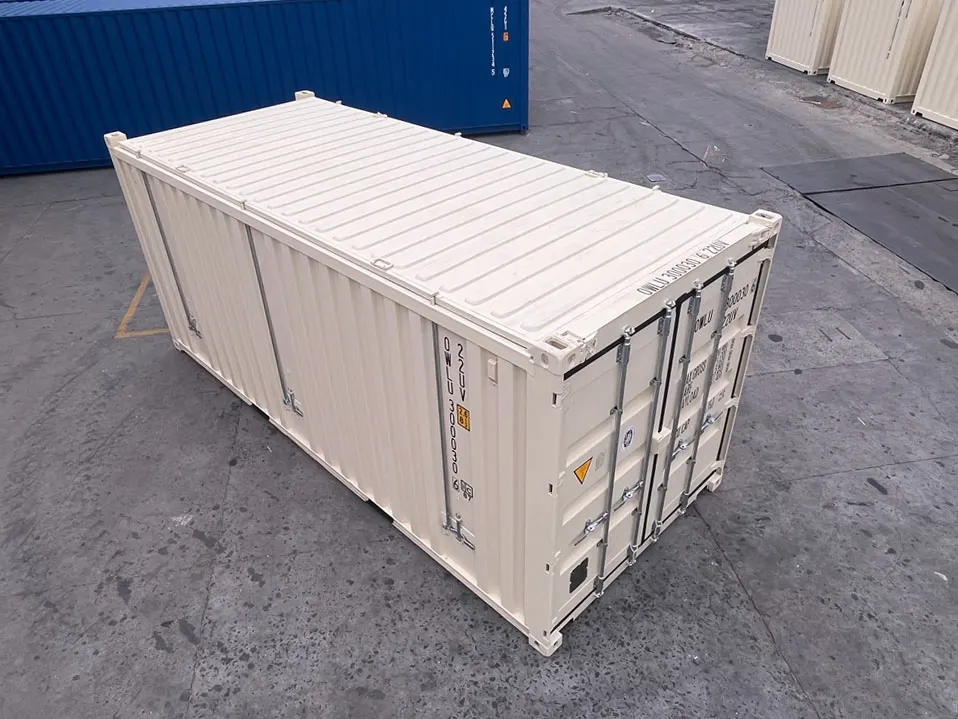
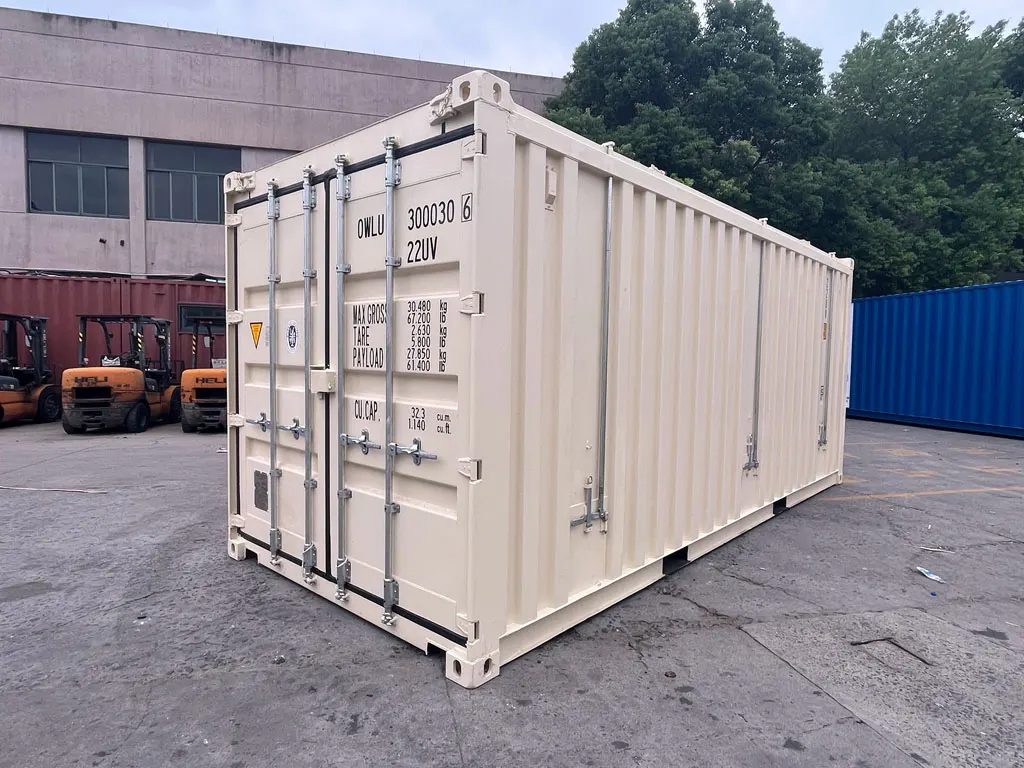
A 20ʹ hard top open top is a 20-foot container with a removable steel roof, ISO 6346 type 22U6. The roof lifts off at the top rail so cargo can be lowered in by crane instead of passing through the doors, and the door end has the same footprint as a 20ʹ GP. It is the unit for machinery, steel stock, and pieces too tall to clear the door header on their skid.
When top-loading is the reason
Most cargo fits through a container door. The cases below are the ones that do not — either the piece is too tall to clear the door header once it is on its skid, or it has to be set down by crane in one motion because nothing about it is designed to be dragged.
That is the whole argument for an open top. If your load will roll or walk through the doors, a 20ʹ GP is cheaper and easier to source.
What operators load in them
| Sector | Typical cargo | Why top-load |
|---|---|---|
| Industrial machinery | CNC machines, lathes, turbines, large engines | Lowered in by crane and set down on its final position — no rigging a load through a door frame. |
| Construction | Steel coils and beams, pipe, stone slab, block | Long and awkward stock that cannot turn the corner into a standard container. |
| Vehicles and components | ATVs, forklifts, engines, transmissions | Dropped straight in rather than winched, which is faster and puts less stress on the unit. |
| Energy and mining | Transformers, switchgear, drilling components, turbine and array parts | Heavy, dense, and often overheight once seated — the roof comes off for the lift and goes back on for transit. |
| Agriculture | Compact tractors, tillers, bulk fertilizer, palletized seed | Top-loading suits equipment that is wider than it is tall. |
| Scrap and recycling | Metal scrap, bundled cable, e-waste | Abrasive material dropped by grab or magnet, which a tarpaulin roof will not survive. |
Hard top or tarpaulin
Both give you an open roof. They are not interchangeable, and the difference decides the job more often than the price does.
| Hard top (22U6) | Tarpaulin (22U1) | |
|---|---|---|
| Roof | Rigid steel panel, bolted or strapped | Fabric over removable bows |
| Stacking | Stacks loaded, like any dry box | Not stackable with the tarp in place |
| Security | Lockable and tamper-evident | Cuttable |
| Weather | Sealed like a standard roof | Sheds water; seams and ties are the weak point |
| Suits | High-value, hazardous, long transits, yard storage | Light, low-value, short domestic moves |
If the unit will sit in a yard, cross an ocean, or carry anything worth stealing, the steel roof is the answer. The tarp version exists because it is lighter and cheaper, and for short domestic runs that can be the right trade.
Removing the roof changes the unit’s payload limits and lashing requirements, and a load standing proud of the top rail is out-of-gauge for most carriers. Confirm the routing before the container is loaded, not after. Sales can check it — send the spec or call 1-888-590-2699.
Sourcing one
Open tops are a specialty unit, so depot stock moves faster than it does on standard dry boxes. Our live inventory publishes what is actually on the ground by city and grade, refreshed three times a day — check it before you plan around a unit. If the spec is not showing, we build them to order at the factory: new factory production.
Hard top open top FAQ
What is a hard top container?
A hard top container is an open-top container whose roof is a rigid steel panel, bolted or strapped in place, rather than fabric over removable bows. The roof comes off for crane loading and goes back on for transit. The 20-foot hard top is ISO 6346 type 22U6; the tarpaulin version is 22U1. A hard top stacks loaded like any dry box, locks, and seals like a standard roof.
What are open top containers used for?
Cargo that cannot go through the doors: industrial machinery such as CNC machines, turbines and large engines; construction stock such as steel coils, beams, pipe and stone slab; transformers, switchgear and drilling components; compact tractors; and metal scrap dropped by grab or magnet. If a load will roll or walk through the doors, a 20ʹ GP is cheaper and easier to source.
Should I choose a hard top or a tarpaulin open top?
Choose the hard top (22U6) if the unit will sit in a yard, cross an ocean, or carry anything worth stealing. Its steel roof stacks loaded, locks, and seals like a standard roof. The tarpaulin version (22U1) is lighter and cheaper but cannot be stacked with the tarp in place, and it suits light, low-value cargo on short domestic moves.
Last updated